
"chicory coffee"
200 article(s) found
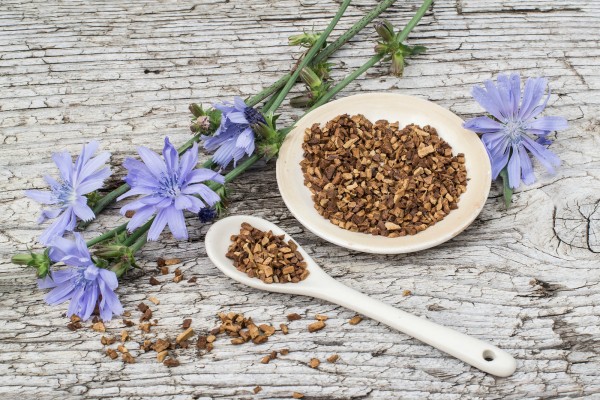
The strange life history of chicory coffee! Why would anyone drink this kind of "substitute coffee"?
Professional coffee knowledge exchange more coffee bean information please follow the coffee workshop (Wechat official account cafe_style) Vietnamese coffee, it is well known that people with diabetes need to stay away. In New Orleans, the United States, there is also a famous milk coffee, bitter taste, and the addition of quite a different raw material, chicory (Chicory, also known as bitter herb). If coffee is related by blood,
Boutique Coffee Coffee General knowledge what is chicory coffee (coffee substitute)?
What is chicory coffee (coffee substitute)? Chicory, an evergreen plant from Europe, was brought to North America in 1700. Fresh young leaves can be used for raw food in salads, while old leaves are bitter and can be boiled in water and eaten. But it is famous for its close relationship with coffee, which was once difficult to obtain or expensive in history.
What is chicory coffee (coffee substitute)? Coffee common sense
What is chicory coffee (coffee substitute)? Chicory, an evergreen plant from Europe, was brought to North America in 1700. Fresh young leaves can be used for raw food in salads, while old leaves are bitter and can be boiled in water and eaten. But it is famous for its close relationship with coffee, which was once difficult to obtain or expensive in history.

Boutique coffee knowledge what is chicory coffee (coffee substitute)?
Chicory, an evergreen plant from Europe, was brought to North America in 1700. Fresh young leaves can be used for raw food in salads, while old leaves are bitter and can be boiled in water and eaten. But it is famous for its close relationship with coffee, which was once difficult to obtain or expensive in history. In these days, people usually roasted chicory as coffee.

Basic knowledge of boutique coffee what is chicory coffee?
Chicory, an evergreen plant from Europe, was brought to North America in 1700. Fresh young leaves can be used for raw food in salads, while old leaves are bitter and can be boiled in water and eaten. But it is famous for its close relationship with coffee, which was once difficult to obtain or expensive in history. In these days, people usually roasted chicory as coffee.

What is chicory coffee? Coffee basics
Chicory is an evergreen plant from Europe that was brought to North America around 1700. Fresh young leaves can be eaten raw in salads, while older leaves are bitter and can be eaten boiled in water. But it is famous for its close association with coffee, which historically has been difficult to obtain or expensive, and in these times chicory was often roasted as a coffee extract.
Boutique coffee what is chicory coffee?
Chicory, an evergreen plant from Europe, was brought to North America in 1700. Fresh young leaves can be used for raw food in salads, while old leaves are bitter and can be boiled in water and eaten. But it is famous for its close relationship with coffee, which was once difficult to obtain or expensive in history. In these days, people usually roasted chicory as coffee.

What is chicory coffee?
Chicory is an evergreen plant from Europe that was brought to North America around 1700. Fresh young leaves can be eaten raw in salads, while older leaves are bitter and can be eaten boiled in water. But it is famous for its close association with coffee, which has historically been difficult to obtain or expensive. In these times, chicory was usually roasted as coffee.
Boutique coffee learn what is chicory coffee
Chicory, an evergreen plant from Europe, was brought to North America in 1700. Fresh young leaves can be used for raw food in salads, while old leaves are bitter and can be boiled in water and eaten. But it is famous for its close relationship with coffee, which was once difficult to obtain or expensive in history. In these days, people usually roasted chicory as coffee.
What is chicory coffee?
Chicory is an evergreen plant from Europe that was brought to North America around 1700.
Identification of genuine and fake coffee
Common adulterants in coffee are chicory root powder, roasted ground grains, etc., or processed with other bean-shaped seeds instead of coffee beans. The sensory coffee is brown and powdery. Due to the Maillard reaction during roasting, the coffee has a special aroma, and counterfeit coffee has no or

Basic knowledge of distinguishing Fine Coffee from genuine Coffee
The coffee here refers to the brown powdered solid drink of raw coffee beans roasted and ground. Common adulterants in coffee are chicory root powder, roasted ground grains, etc., or processed with other bean-shaped seeds instead of coffee beans. The sensory coffee is brown and powdery. Due to the Maillard reaction during roasting, the coffee has a special aroma, and counterfeit coffee has no or

Identification skills of genuine and fake coffee basic knowledge of coffee beans
The coffee here refers to the brown powdered solid drink of raw coffee beans roasted and ground. Common adulterants in coffee are chicory root powder, roasted ground grains, etc., or processed with other bean-shaped seeds instead of coffee beans. The sensory coffee is brown and powdery. Due to the Maillard reaction during roasting, the coffee has a special aroma, and counterfeit coffee has no or
General knowledge of high-quality coffee to distinguish between true and fake coffee
The coffee here refers to the brown powdered solid drink of raw coffee beans roasted and ground. Common adulterants in coffee are chicory root powder, roasted ground grains, etc., or processed with other bean-shaped seeds instead of coffee beans. The sensory coffee is brown and powdery. Due to the Maillard reaction during roasting, the coffee has a special aroma, and counterfeit coffee has no or
Answers to various questions about coffee
What is caffeine? Caffeine is a substance found in leaves, roots and unattractive fruits that naturally compete for 100 kinds of plants. it is also a group of methylxanthine assimilates. Caffeine generally comes from coffee, cola and tea. Caffeine is also used in energy drinks and drugs to treat colds and flu. Coffee and tea also contain other dimethyl xanthine teas
A few "what is" in boutique coffee?
What is caffeine? Caffeine is a substance found in the leaves, roots and fruits of 100 plants in nature. it is also a mixture of methylxanthine. Caffeine usually comes from coffee, dimethoate and tea. Caffeine is also used in energy drinks and drugs to treat colds and flu. Coffee and tea also contain other dimethylxanthine theophylline. Tea
How to tell if the coffee has gone bad?
Instant coffee identified as Rubiaceae shrub, coffee tree fruit seeds, semicircular grooves, stir-fried coffee powder, brown has a special aroma, coffee powder can be drunk after boiling, such as the juice will be concentrated and then dried into instant coffee. Fake coffee is mixed with chicory root powder in real coffee, or roasted and crushed grains and beans. Real coffee contains caffeine and has
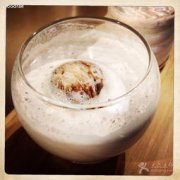
Coffee knowledge New Orleans iced coffee making method
Pour coffee powder and 40g of cicory powder into the soup pot. (chicory, roasted and ground, added coffee as flavor additive or substitute for coffee; cooked root can be served with cream, and pictures of chicory (20) leaves can be used as salad. Sometimes used for coloring, thickening and bitterness of coffee (as people in New Orleans often do).) Pour 2.7 liters of ice water into the pot, and then use

New Orleans Iced New Orleans Ice Coffee making method
Pour coffee powder and 40g of cicory powder into the soup pot. (chicory, roasted and ground, added coffee as flavor additive or substitute for coffee; cooked root can be served with cream, and pictures of chicory (20) leaves can be used as salad. Sometimes used for coloring, thickening and bitterness of coffee (as people in New Orleans often do).) Pour 2.7 liters of ice water into the pot, and then use